
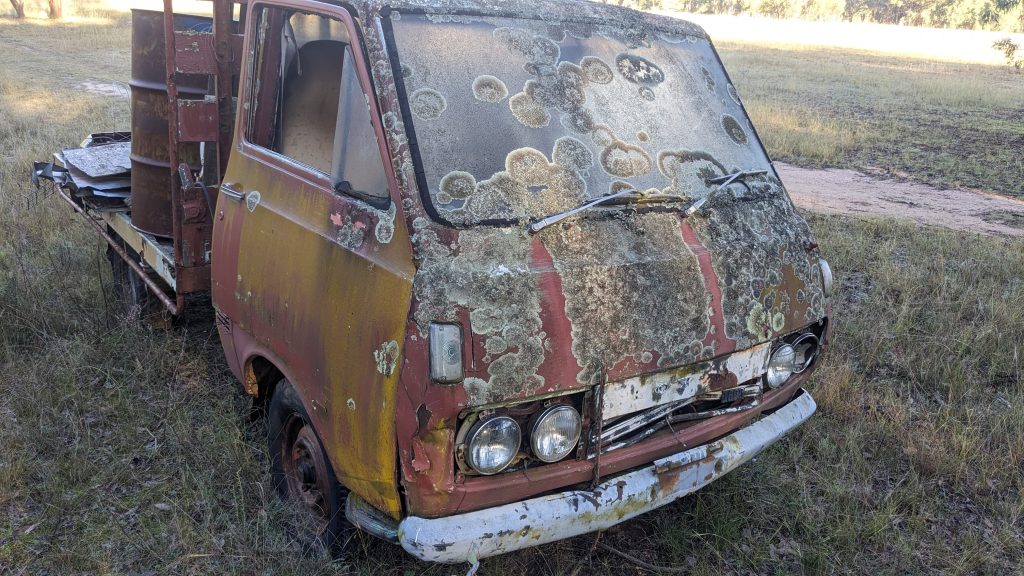
 The Secret Lives of Classic Cars: What Happens When They’re Not Driven

Ah, the classic car. A shining relic of a bygone era, where chrome was king seatbelts were optional, and fuel efficiency was measured in gallons per mile. These beauties often spend their days in climate-controlled garages, lovingly polished but tragically stationary. But have you ever wondered what happens when these icons of automotive history sit too long without hitting the road?
They Become Furniture
First, let’s address the elephant—or perhaps the ottoman—in the room.
After months of inaction, many classic cars inevitably morph into high-end
furniture. Owners begin using the hood of a ’57 Chevy as a buffet table or
turning the trunk of a Jaguar E-Type into a wine rack.
Tyres Get Existential
Tyres on an undriven classic car have too much time to think. They begin
questioning their purpose in life. Left to ponder their own futility,
they develop a condition known as “flat-spot syndrome.”
Engine Gremlins Move In
An idle engine is a paradise for mischief-loving gremlins. These pesky creatures
sneak in through the exhaust pipe and rearrange parts, clog fuel lines, and
whisper discouraging things to ensure future disappointment.
The Battery Forms a Union
Leave a car untouched for too long, and the battery will convene a union
meeting. By the time you finally turn the ignition, the response will be
a single, dismissive click.
Chrome Becomes Self-Aware
Chrome starts reflecting on itself—literally. Tarnish sets in, accompanied
by existential doubt and quiet despair.
Spiders Set Up a Real Estate Business
The undercarriage becomes a bustling arachnid metropolis. At some point,
you may feel like a tenant in your own garage.
Fuel Turns Into Toxic Sludge
Old fuel transforms into something that looks better suited to a fantasy
novel than an internal combustion engine.
They Plot Revenge
Finally, don’t underestimate the vindictive streak of a classic car. Neglect it too long, and it will remember. The next time you take it out, it will make sure to overheat at the worst possible moment, blow a gasket for no reason, or simply refuse to start at all. “This is what you get for ignoring me,” it will say, though only in the universal language of mechanical failure.
Conclusion
Classic cars are not just vehicles; they’re temperamental, aging divas that demand attention, admiration, and regular exercise. So if you’ve got one sitting idle in the garage, do it a favour: fire it up, take it for a spin, and remind it that it’s still the star of the show. Otherwise, don’t be surprised if it starts moonlighting as a spider hotel or a philosophical art installation.
And if it won’t start, that is where we can help. Through our collective experience, technical support, and courses, there’s always someone who’s been there before and is happy to lend a hand. After all, keeping classics alive is best done together.
